

-
News
- admin
- 29 Jul 2025
Regional Collaboration Strengthens Climate Change Adaptation in the Coral Triangle
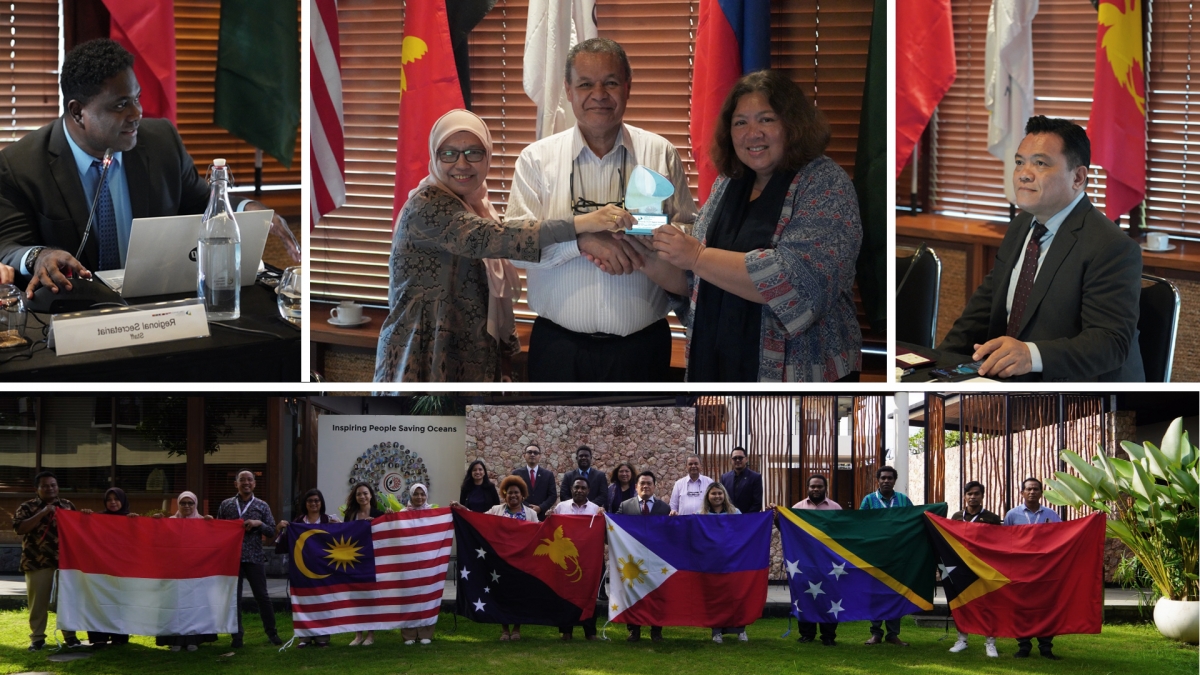
Bali, Indonesia, 9 July 2025 – As climate change continues to reshape coastlines and threaten marine ecosystems and people’s livelihoods across the Coral Triangle, regional leaders are stepping up their efforts to respond collectively. On July 9, 2025, the Coral Triangle Initiative on Coral Reefs, Fisheries, and Food Security (CTI-CFF) brought together national representatives from its six member countries for the 8th Climate Change Adaptation (CCA) Technical Working Group (TWG) meeting in Bali, Indonesia.
Held at the Coral Triangle Center, the meeting served as a critical platform to assess country progress on climate change adaptation, align regional strategies, and renew commitments to building climate-adaptive communities and resilience across shared marine ecosystems. The gathering followed a series of discussions held earlier in the week, including the Waste Management Kick-Off meeting and CCA Roundtable organized by the CTI-CFF Regional Secretariat in partnership with WWF and CTC through the SOMACORE Programme.
Momentum from these discussions carried into the TWG meeting, where delegates shared their national updates on CCA implementation and reflected on how collaborative action can amplify local impact. The Coral Triangle Center also provided updates on its contributions to the TWG’s work, demonstrating the value of partner involvement in regional efforts.
One of the key outcomes was the agreement to revise the draft Climate Change Adaptation Joint Communique, integrating input from all six countries. The CTI-CFF Regional Secretariat was tasked with finalizing and circulating the document, with countries expected to submit their signatories by September 2025 — signalling a unified front in the fight against climate change impacts.
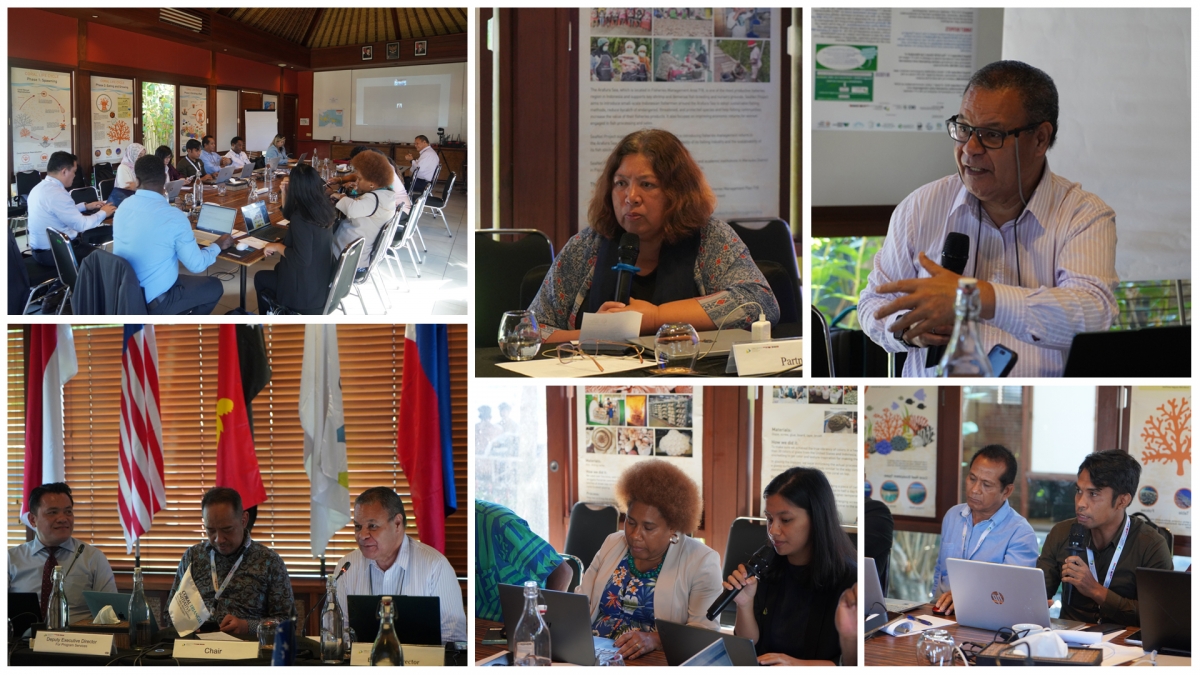
Further discussions centered on strengthening coordination between the CCA TWG and other technical groups, including Seascapes, EAFM, and MPA. Delegates emphasized the importance of mainstreaming climate adaptation across all CTI-CFF programs and working streams. One of the key outcomes from the discussion was the need to align priorities and fundraising opportunities to implement CCA-related initiatives effectively.
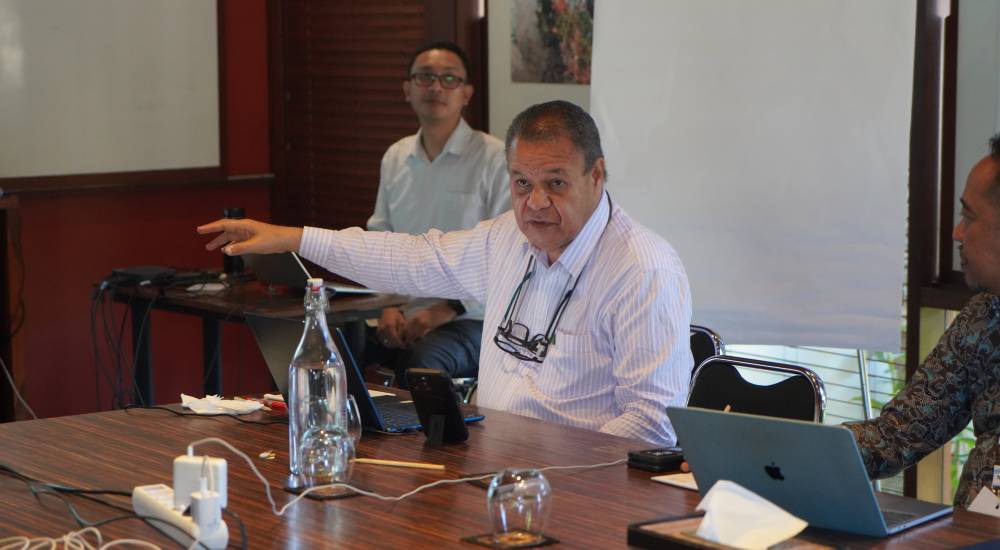
Reflecting on the meeting, Dr. Frank Griffin, Executive Director of the CTI-CFF Regional Secretariat, stated:
“Effective climate change adaptation hinges on our ability to act as one region. This meeting demonstrated our shared commitment to safeguarding our oceans and communities through strengthened governance and cooperation.”
Outgoing Chair Mr. Franky Zamzani, S.Hut., M.Env. added:
“The progress made by the CCA TWG underscores the power of unity. As leadership transitions, we look forward to continued momentum and stronger partnerships in our fight against climate change.”
With renewed energy and direction, the 8th CCA TWG meeting reaffirmed the Coral Triangle region’s collective resolve to adapt and thrive in the face of a changing climate. As the SOMACORE Programme and CTI-CFF partners continue to drive forward collaborative solutions, the Coral Triangle is setting an example of regional unity in the pursuit of strengthened ocean governance and resilience.