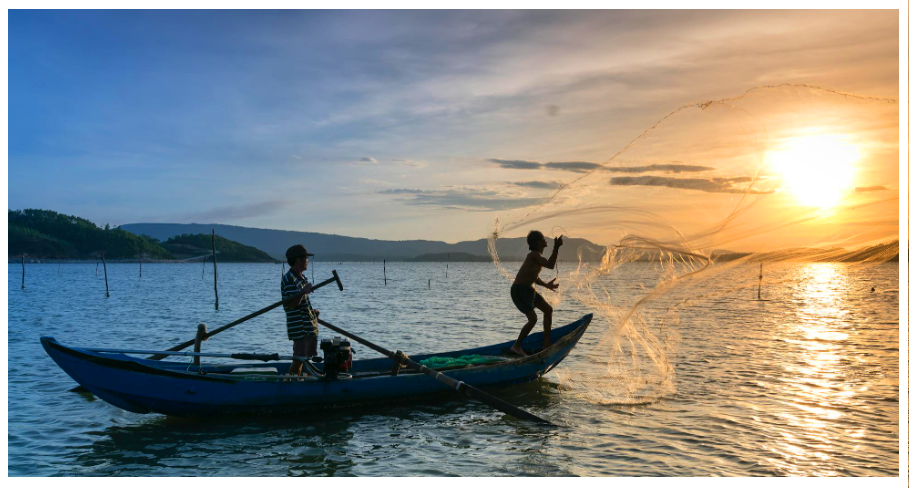
Lorem ipsum dolor sit amet, consectetur adipiscing elit. Sed sit amet augue eget nulla pretium hendrerit. Suspendisse potenti. Curabitur non urna id justo viverra gravida. Praesent tincidunt dolor vel sapien faucibus, vitae dictum metus facilisis. Fusce mattis lorem at sapien faucibus, vel tempor enim interdum. Vestibulum ante ipsum primis in faucibus orci luctus et ultrices posuere cubilia curae; In et libero eu ex fermentum tincidunt. Integer quis sapien ut lorem tincidunt sagittis. Nulla facilisi. Phasellus efficitur lorem in ante dignissim, at luctus urna egestas. Ut sed finibus mi, vitae varius magna.

Duis at orci sit amet urna tristique pretium. Cras ut ullamcorper augue. Integer non lorem in purus finibus tempor. Suspendisse potenti. Vestibulum ante ipsum primis in faucibus orci luctus et ultrices posuere cubilia curae; Mauris tempus leo in mauris porttitor, quis volutpat libero maximus. Integer sagittis, leo ac convallis accumsan, tortor massa tincidunt orci, at gravida nibh mi ut nibh. In malesuada dolor ut leo aliquam efficitur. Quisque feugiat nibh sit amet lectus sodales, vitae dignissim nisl dictum.

Aliquam erat volutpat. Pellentesque habitant morbi tristique senectus et netus et malesuada fames ac turpis egestas. Integer in nisl id risus hendrerit porttitor. Proin commodo sem et velit facilisis, sit amet eleifend velit sodales. Donec vestibulum erat vel orci dictum, ut sodales augue ornare. Morbi et fringilla sem. Vivamus pretium suscipit justo, at tempor velit venenatis in. Nulla mattis efficitur eros vel tempor.
 

Lorem ipsum dolor sit amet, consectetur adipiscing elit. Sed sit amet augue eget nulla pretium hendrerit. Suspendisse potenti. Curabitur non urna id justo viverra gravida. Praesent tincidunt dolor vel sapien faucibus, vitae dictum metus facilisis. Fusce mattis lorem at sapien faucibus, vel tempor enim interdum. Vestibulum ante ipsum primis in faucibus orci luctus et ultrices posuere cubilia curae; In et libero eu ex fermentum tincidunt. Integer quis sapien ut lorem tincidunt sagittis. Nulla facilisi. Phasellus efficitur lorem in ante dignissim, at luctus urna egestas. Ut sed finibus mi, vitae varius magna.

Duis at orci sit amet urna tristique pretium. Cras ut ullamcorper augue. Integer non lorem in purus finibus tempor. Suspendisse potenti. Vestibulum ante ipsum primis in faucibus orci luctus et ultrices posuere cubilia curae; Mauris tempus leo in mauris porttitor, quis volutpat libero maximus. Integer sagittis, leo ac convallis accumsan, tortor massa tincidunt orci, at gravida nibh mi ut nibh. In malesuada dolor ut leo aliquam efficitur. Quisque feugiat nibh sit amet lectus sodales, vitae dignissim nisl dictum.

Aliquam erat volutpat. Pellentesque habitant morbi tristique senectus et netus et malesuada fames ac turpis egestas. Integer in nisl id risus hendrerit porttitor. Proin commodo sem et velit facilisis, sit amet eleifend velit sodales. Donec vestibulum erat vel orci dictum, ut sodales augue ornare. Morbi et fringilla sem. Vivamus pretium suscipit justo, at tempor velit venenatis in. Nulla mattis efficitur eros vel tempor.
 

As a unique multilateral partnership uniting Indonesia, Malaysia, Papua New Guinea, the Philippines, Solomon Islands, and Timor-Leste, the Coral Triangle Initiative on Coral Reefs, Fisheries and Food Security (CTI-CFF) acknowledges that the long-term sustainability of the region depends not only on healthy ecosystems and resilient communities, but also on strong governance, effective leadership, and robust partnerships.
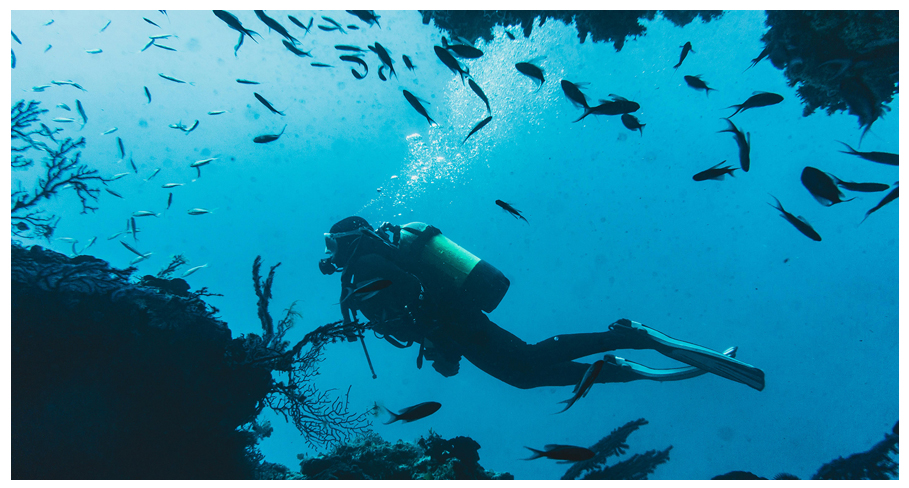
Objective C of the Regional Plan of Action (RPOA) 2.0 establishes a framework to enhance institutional capacity, strengthen regional cooperation, and foster multi-stakeholder collaboration across the Coral Triangle region. It recognizes that coordinated governance and shared leadership are foundational to achieving conservation, fisheries sustainability, and community resilience.


Why Objective C Is Essential for the Coral Triangle

The Coral Triangle spans a region of immense ecological, social, and economic significance. Managing resources across such a vast and interconnected seascape requires:

  • harmonized policies

  • coordinated regional action

  • strong national institutions

  • effective cross-border collaboration

  • predictable financing mechanisms

  • inclusive and trusted leadership

Challenges such as climate change, declining fish stocks, marine pollution, and Illegal, Unreported and Unregulated (IUU) fishing cannot be addressed by individual countries alone. They require regional systems, institutional leadership, and collaborative partnerships—all of which are strengthened through Objective C.


Strategic Focus of Objective C

Objective C is operationalized through two primary targets:


Target C1 — Strengthened Regional and National Governance Mechanisms

This target focuses on establishing clear, accountable, and harmonized governance frameworks that allow Member Parties to implement the RPOA 2.0 effectively.
Core elements include:

1. Enhanced Institutional Capacity

  • Strengthening National Coordinating Committees (NCCs)

  • Improving technical and operational capacity of government agencies

  • Establishing clear mandates, roles, and coordination structures

2. Policy Harmonization

  • Aligning national policies with regional objectives

  • Facilitating cross-sector coordination (environment, fisheries, climate, tourism, development)

  • Supporting the integration of RPOA 2.0 commitments into national plans

3. Effective Monitoring, Evaluation, and Reporting

  • Strengthening the CTI-CFF Monitoring & Evaluation (M&E) System

  • Using the CT Atlas as the regional data hub

  • Facilitating transparent reporting across Member Parties

4. Sustainable Finance Mechanisms

  • Resource mobilization

  • Development of long-term and diversified financing strategies

  • Supporting blue economy and nature-based financing opportunities

These governance improvements create a strong institutional backbone for all CTI-CFF programs.


Target C2 — Strengthened Partnerships, Coordination, and Collaborative Leadership

Target C2 recognizes that the CTI-CFF’s mission can only be achieved through cross-boundary collaboration and multi-stakeholder partnership. Key priorities include:

1. Regional and Sub-Regional Cooperation

  • Facilitating technical working groups (TWGs)

  • Supporting ministerial-level leadership through the Council of Ministers (COM)

  • Enhancing coordination through the Committee of Senior Officials (CSO)

2. Multi-Stakeholder Engagement

  • Strengthening collaboration with NGOs, universities, donors, regional bodies (ASEAN, SPC, SPREP)

  • Engaging private sector actors in sustainable practices and blue economy initiatives

  • Supporting Indigenous Peoples and Local Communities (IPLCs) in decision-making processes

3. Strategic Communications and Visibility

  • Enhancing regional awareness of CTI-CFF programs

  • Strengthening public communication channels

  • Supporting knowledge exchange across Member Parties

4. Leadership Development

  • Training future leaders in marine governance and climate resilience

  • Empowering women and youth leaders in coastal management

  • Supporting collaborative leadership across all levels of governance

Target C2 helps secure long-term cooperation, trust, and shared responsibility among all stakeholders.


How CTI-CFF Supports Objective C Implementation

As the regional Secretariat, CTI-CFF plays a central role in facilitating governance, leadership, and partnerships across the Coral Triangle.
Key functions include:

1. Facilitating Regional Governance Structures

  • Organizing COM and CSO meetings

  • Coordinating Technical Working Groups

  • Strengthening NCC operations

2. Providing Knowledge Platforms and Technical Guidance

  • CT Atlas (regional data and indicators)

  • RPOA 2.0 Implementation Framework

  • Regional Monitoring and Evaluation (M&E) System

3. Mobilizing Partnerships

CTI-CFF collaborates with:

  • UN agencies

  • ADB, World Bank, GEF, and other development partners

  • NGOs including WWF, TNC, CI, and WCS

  • Regional bodies (ASEAN, SPREP, SPC)

  • Academic and research institutions

  • Local governments and community-based organizations

4. Supporting Finance and Sustainability

  • Facilitating donor coordination

  • Identifying innovative financing opportunities

  • Strengthening blue economy policy integration


Regional Impacts of Objective C

Successful implementation of Objective C results in:

  • improved institutional effectiveness within Member Parties

  • stronger and more coordinated regional governance

  • enhanced transparency and data-based decision-making

  • increased resource mobilization and sustained financing

  • strengthened partnerships and inclusive stakeholder engagement

  • empowered leaders at national, community, and regional levels

  • more effective implementation of Objective A and B

Good governance is the enabling condition that ensures all ecological and socioeconomic goals can be achieved and sustained.


Objective C of the RPOA 2.0 underscores CTI-CFF’s commitment to building strong institutions, effective leadership, and durable partnerships across the Coral Triangle. By enhancing governance structures, improving coordination, and mobilizing multi-sector collaboration, the six Member Parties are laying the foundation for long-term environmental sustainability, socioeconomic resilience, and regional stability.

As one of the world’s most biodiverse and strategically important marine regions, the Coral Triangle requires a governance model that is inclusive, collaborative, and adaptive. Objective C provides this model—ensuring that conservation and sustainable development efforts are supported by strong leadership, good governance, and transformative partnerships.

Through collective action, CTI-CFF continues to champion regional cooperation toward a resilient, sustainable, and prosperous future for the Coral Triangle and its people.


References

Regional Plan of Action 2.0 (https://new.coraltriangleinitiative.org/library/rpoa-goal-2)

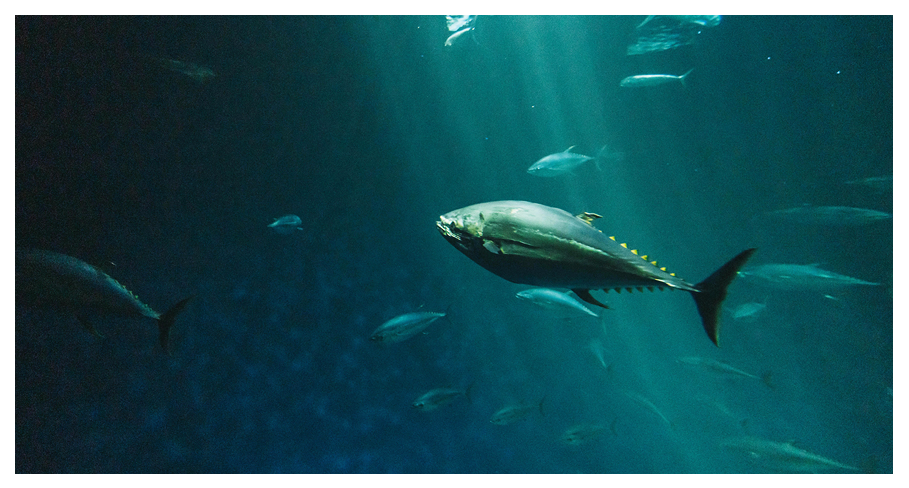
SAs a multilateral initiative representing the six Member Parties—Indonesia, Malaysia, Papua New Guinea, the Philippines, Solomon Islands, and Timor-Leste—the Coral Triangle Initiative on Coral Reefs, Fisheries and Food Security (CTI-CFF) recognizes that the health of marine and coastal ecosystems forms the ecological foundation of sustainability across the region. Through our Regional Plan of Action (RPOA) 2.0, we have established Objective A as a core commitment to ensuring that the region’s ecosystems remain healthy, resilient, and productive for generations to come. Objective A affirms our collective dedication to improving the condition of coral reefs, mangroves, seagrass beds, threatened species, and priority fisheries by the year 2030 through effective and coordinated management actions. 
 

Why Objective A Matters for the Coral Triangle

The Coral Triangle is globally recognized as the epicenter of marine biodiversity. It is home to:

  • 75% of the world’s known coral species

  • 37% of global reef fish species

  • vast mangrove and seagrass ecosystems that act as natural climate buffers

  • critical habitat for migratory and threatened species

These ecosystems provide the foundation for food, livelihoods, and coastal protection for over 120 million people living in the region.

However, increasing pressures—such as overfishing, habitat degradation, pollution, and climate change—pose significant risks to the long-term health of these ecosystems. Declining ecosystem function directly affects food security, economic stability, and the well-being of communities throughout the Coral Triangle.

Objective A is therefore essential not only for ecological conservation but also for safeguarding the social and economic future of the region.


Strategic Targets Under Objective A

CTI-CFF operationalizes Objective A through three major targets designed to guide regional action toward 2030.


1. Target A1 — Ecosystems Are Healthy, Climate-Resilient, and Effectively Managed

This target focuses on protecting and restoring coral reefs, mangroves, seagrasses, and other critical marine and coastal ecosystems. Actions under this target include:

  • expanding and strengthening marine protected areas (MPAs), LMMAs, and OECMs

  • enhancing management effectiveness using CTMPAS standards

  • restoring degraded ecosystems and improving ecological connectivity

  • mainstreaming Ecosystem-Based Adaptation (EbA) into climate response planning

  • reducing land-based pollution and other threats to ecosystem integrity

Healthy ecosystems form the foundation of sustainable fisheries, coastal protection, and climate resilience across the region.


2. Target A2 — Priority and Threatened Species Are Conserved

The Coral Triangle is home to numerous threatened, migratory, and economically important species, including marine turtles, sharks, rays, and marine mammals.

Target A2 seeks to:

  • protect critical habitats and migratory corridors

  • reduce threats related to bycatch, illegal harvest, and wildlife trade

  • strengthen regional cooperation to combat illegal trade of threatened species

  • address pollution, including plastic and microplastic contamination

  • improve research, monitoring, and data sharing across Member Parties

Protecting these species supports ecological balance and reinforces global commitments, including the Convention on Biological Diversity (CBD) and related frameworks.


3. Target A3 — Fisheries Are Healthy, Sustainable, and Productive

Sustainable fisheries are essential for regional food security and economic development.
Target A3 focuses on:

  • enhancing the Ecosystem Approach to Fisheries Management (EAFM)

  • improving management of artisanal, commercial, and priority fisheries (tuna, reef fish, neritic species)

  • strengthening collaboration to address Illegal, Unreported, and Unregulated (IUU) fishing

  • increasing monitoring, compliance, and enforcement

  • integrating socio-economic considerations into fisheries governance

Healthy and productive fisheries ensure long-term benefits for coastal communities and Member Parties’ national economies.


How CTI-CFF Supports the Achievement of Objective A

As the regional coordinating body, CTI-CFF facilitates cooperation among Member Parties through four core functions:

1. Policy Coordination and Regional Frameworks

We support the harmonization of national and regional policies through established frameworks such as:

  • CTI Marine Protected Area System (CTMPAS)

  • Ecosystem Approach to Fisheries Management (EAFM) Framework

  • Coral Triangle Marine Debris Prevention Framework

  • Blue Carbon and coastal resilience strategies

2. Knowledge Sharing and Scientific Collaboration

CTI-CFF strengthens data-driven decision-making through:

  • CT Atlas

  • Regional Monitoring and Evaluation (M&E) System

  • scientific exchanges and regional learning events

3. Capacity Building and Technical Support

We provide training, technical guidance, and cross-country learning to government agencies, communities, and partners.

4. Partnerships and Resource Mobilization

CTI-CFF works with international organizations, academic institutions, NGOs, and development partners to mobilize resources and scale up impactful programs.


Regional Impact of Objective A

Achieving Objective A contributes directly to:

  • food security for millions of people

  • sustainable fisheries and economic stability

  • strengthened climate resilience and coastal protection

  • preservation of biodiversity and ecosystem services

  • improved livelihoods and long-term community resilience

Objective A is not only an environmental goal—it is a foundation for social and economic security across the Coral Triangle.


References

Regional Plan of Action 2.0 (https://new.coraltriangleinitiative.org/library/rpoa-goal-2)


As a regional multilateral partnership uniting Indonesia, Malaysia, Papua New Guinea, the Philippines, Solomon Islands, and Timor-Leste, the Coral Triangle Initiative on Coral Reefs, Fisheries and Food Security (CTI-CFF) recognizes that the sustainability of the Coral Triangle cannot be achieved without addressing the socioeconomic needs and resilience of the people who depend directly on its coastal and marine resources.
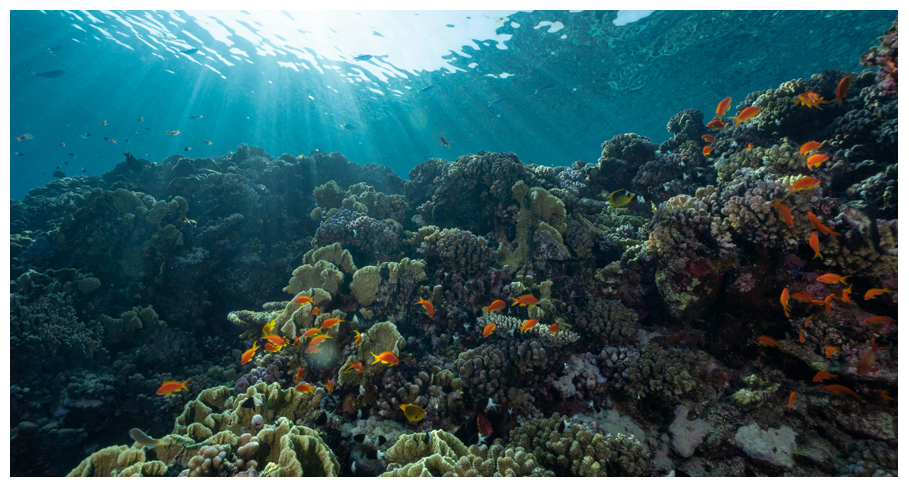
Through Objective B of the Regional Plan of Action (RPOA) 2.0, CTI-CFF reaffirms its commitment to strengthening the resilience, well-being, and adaptive capacity of coastal communities across the region. Objective B ensures that conservation and sustainable resource management efforts are complemented by tangible improvements in human security, economic stability, social inclusion, and climate resilience.


Why Objective B Is Critical for the Coral Triangle

Over 120 million people rely on the Coral Triangle’s marine ecosystems for food, income, and protection from natural hazards. These communities are among the most vulnerable to:

  • climate change impacts
  • declining fish stocks
  • coastal habitat degradation
  • extreme weather events
  • market disruptions
  • poverty and limited livelihood options

Given the ecological and socioeconomic interdependence of the region, improving community resilience is essential to sustaining long-term conservation gains.

Objective B acknowledges that healthy ecosystems alone cannot ensure sustainable development—communities must also have the capacity, resources, and opportunities to adapt and thrive under changing conditions.


Strategic Focus of Objective B

Objective B is operationalized through two main targets that address livelihood resilience, socioeconomic well-being, gender inclusion, and climate adaptation.


Target B1 — Strengthened Resilience and Adaptive Capacity of Coastal Communities

This target aims to safeguard communities from environmental, economic, and climate-related shocks by enhancing their ability to adapt and recover. Key priorities include:

  • integrating climate change adaptation into local and national policies
  • promoting diversified and climate-resilient livelihoods
  • supporting community-based resource management systems
  • enhancing disaster preparedness and early warning mechanisms
  • strengthening social safety nets and vulnerability assessments
  • empowering Indigenous Peoples and Local Communities (IPLCs)

Through these actions, CTI-CFF supports community resilience as a cornerstone of sustainable development.


Target B2 — Improved Socioeconomic Well-Being and Gender-Inclusive Development

Target B2 promotes equitable and inclusive development within coastal communities by ensuring that economic benefits from marine and coastal resources are shared fairly and sustainably. Key interventions include:

  • promoting livelihood diversification and value chain development
  • supporting women’s participation and leadership in coastal resource management
  • reducing socioeconomic vulnerabilities that limit adaptive capacity
  • strengthening market access and economic opportunities
  • improving community access to finance and sustainable business models
  • ensuring social inclusion in policy implementation

Gender equality and social inclusion (GESI) are integrated throughout Target B2 to ensure that all groups benefit from the region’s blue economy.


How CTI-CFF Supports the Implementation of Objective B

As a regional multilateral platform, CTI-CFF advances Objective B through four core mechanisms:


1. Regional Policy Alignment and Governance

CTI-CFF facilitates the integration of livelihood resilience and socioeconomic considerations into ecosystem governance frameworks, including:

  • EAFM principles
  • MPA social standards
  • climate adaptation strategies
  • blue economy development plans

2. Capacity Building for Community Resilience

CTI-CFF supports Member Parties through:

  • training programs for community leaders
  • technical support for vulnerability assessments
  • development of climate-resilient livelihood models
  • strengthening local governance institutions

These initiatives equip communities with the skills and tools necessary to manage risks and adapt to change.


3. Regional Learning Networks and Knowledge Sharing

The CTI-CFF Learning Networks and CT Atlas serve as platforms for:

  • sharing best practices
  • monitoring community resilience
  • accessing socioeconomic data
  • developing adaptive management strategies

4. Partnerships and Resource Mobilization

CTI-CFF collaborates with regional and international partners—including governments, NGOs, academic institutions, and donor agencies—to mobilize funding and technical expertise that support community resilience and livelihood programs.


Regional Impact of Objective B

Implementing Objective B contributes significantly to:

  • enhanced climate resilience of coastal communities
  • improved livelihood security for millions of people
  • diversified economies and sustainable income sources
  • gender-equitable and socially inclusive development
  • strengthened capacity to withstand environmental and market shocks
  • improved alignment of conservation objectives with human well-being

By integrating socioeconomic resilience into marine governance, Objective B ensures that the benefits of conservation are both sustainable and equitable.


Conclusion

Objective B of the RPOA 2.0 reflects CTI-CFF’s recognition that sustainable marine conservation must go hand in hand with improving the resilience and well-being of the communities who depend most on coastal and marine resources.
By promoting adaptive capacity, livelihood diversification, gender equity, and inclusive socioeconomic development, CTI-CFF strengthens the foundation for long-term prosperity and stability across the Coral Triangle.

Through coordinated regional action, the six Member Parties are building resilient, empowered, and prosperous coastal communities—supporting a sustainable future for one of the world's most important marine regions.

Lorem ipsum dolor sit amet, consectetur adipiscing elit. Sed sit amet augue eget nulla pretium hendrerit. Suspendisse potenti. Curabitur non urna id justo viverra gravida. Praesent tincidunt dolor vel sapien faucibus, vitae dictum metus facilisis. Fusce mattis lorem at sapien faucibus, vel tempor enim interdum. Vestibulum ante ipsum primis in faucibus orci luctus et ultrices posuere cubilia curae; In et libero eu ex fermentum tincidunt. Integer quis sapien ut lorem tincidunt sagittis. Nulla facilisi. Phasellus efficitur lorem in ante dignissim, at luctus urna egestas. Ut sed finibus mi, vitae varius magna.

Duis at orci sit amet urna tristique pretium. Cras ut ullamcorper augue. Integer non lorem in purus finibus tempor. Suspendisse potenti. Vestibulum ante ipsum primis in faucibus orci luctus et ultrices posuere cubilia curae; Mauris tempus leo in mauris porttitor, quis volutpat libero maximus. Integer sagittis, leo ac convallis accumsan, tortor massa tincidunt orci, at gravida nibh mi ut nibh. In malesuada dolor ut leo aliquam efficitur. Quisque feugiat nibh sit amet lectus sodales, vitae dignissim nisl dictum.

Aliquam erat volutpat. Pellentesque habitant morbi tristique senectus et netus et malesuada fames ac turpis egestas. Integer in nisl id risus hendrerit porttitor. Proin commodo sem et velit facilisis, sit amet eleifend velit sodales. Donec vestibulum erat vel orci dictum, ut sodales augue ornare. Morbi et fringilla sem. Vivamus pretium suscipit justo, at tempor velit venenatis in. Nulla mattis efficitur eros vel tempor.
 

Lorem ipsum dolor sit amet, consectetur adipiscing elit. Sed sit amet augue eget nulla pretium hendrerit. Suspendisse potenti. Curabitur non urna id justo viverra gravida. Praesent tincidunt dolor vel sapien faucibus, vitae dictum metus facilisis. Fusce mattis lorem at sapien faucibus, vel tempor enim interdum. Vestibulum ante ipsum primis in faucibus orci luctus et ultrices posuere cubilia curae; In et libero eu ex fermentum tincidunt. Integer quis sapien ut lorem tincidunt sagittis. Nulla facilisi. Phasellus efficitur lorem in ante dignissim, at luctus urna egestas. Ut sed finibus mi, vitae varius magna.

Duis at orci sit amet urna tristique pretium. Cras ut ullamcorper augue. Integer non lorem in purus finibus tempor. Suspendisse potenti. Vestibulum ante ipsum primis in faucibus orci luctus et ultrices posuere cubilia curae; Mauris tempus leo in mauris porttitor, quis volutpat libero maximus. Integer sagittis, leo ac convallis accumsan, tortor massa tincidunt orci, at gravida nibh mi ut nibh. In malesuada dolor ut leo aliquam efficitur. Quisque feugiat nibh sit amet lectus sodales, vitae dignissim nisl dictum.

Aliquam erat volutpat. Pellentesque habitant morbi tristique senectus et netus et malesuada fames ac turpis egestas. Integer in nisl id risus hendrerit porttitor. Proin commodo sem et velit facilisis, sit amet eleifend velit sodales. Donec vestibulum erat vel orci dictum, ut sodales augue ornare. Morbi et fringilla sem. Vivamus pretium suscipit justo, at tempor velit venenatis in. Nulla mattis efficitur eros vel tempor.
 

Lorem ipsum dolor sit amet, consectetur adipiscing elit. Sed sit amet augue eget nulla pretium hendrerit. Suspendisse potenti. Curabitur non urna id justo viverra gravida. Praesent tincidunt dolor vel sapien faucibus, vitae dictum metus facilisis. Fusce mattis lorem at sapien faucibus, vel tempor enim interdum. Vestibulum ante ipsum primis in faucibus orci luctus et ultrices posuere cubilia curae; In et libero eu ex fermentum tincidunt. Integer quis sapien ut lorem tincidunt sagittis. Nulla facilisi. Phasellus efficitur lorem in ante dignissim, at luctus urna egestas. Ut sed finibus mi, vitae varius magna.

Duis at orci sit amet urna tristique pretium. Cras ut ullamcorper augue. Integer non lorem in purus finibus tempor. Suspendisse potenti. Vestibulum ante ipsum primis in faucibus orci luctus et ultrices posuere cubilia curae; Mauris tempus leo in mauris porttitor, quis volutpat libero maximus. Integer sagittis, leo ac convallis accumsan, tortor massa tincidunt orci, at gravida nibh mi ut nibh. In malesuada dolor ut leo aliquam efficitur. Quisque feugiat nibh sit amet lectus sodales, vitae dignissim nisl dictum.

Aliquam erat volutpat. Pellentesque habitant morbi tristique senectus et netus et malesuada fames ac turpis egestas. Integer in nisl id risus hendrerit porttitor. Proin commodo sem et velit facilisis, sit amet eleifend velit sodales. Donec vestibulum erat vel orci dictum, ut sodales augue ornare. Morbi et fringilla sem. Vivamus pretium suscipit justo, at tempor velit venenatis in. Nulla mattis efficitur eros vel tempor.
 

Driving Sustainable Economic Value Across the Region: The Coral Triangle’s Blue Economy Potential and Its Alignment with CTI-CFF’s Regional Agenda


The Coral Triangle—encompassing Indonesia, Malaysia, Papua New Guinea, the Philippines, Solomon Islands, and Timor-Leste—is among the world’s most economically valuable marine regions. With unparalleled biodiversity and highly productive coastal ecosystems, it supports a wide range of industries including fisheries, aquaculture, marine tourism, coastal enterprises, and emerging blue economy sectors. These sectors collectively generate billions of dollars in annual economic value, forming a vital foundation for employment, trade, and national development across Southeast Asia and the Western Pacific.

This economic productivity depends on the long-term integrity of marine ecosystems such as coral reefs, mangroves, and seagrass meadows. Recognizing this, the Coral Triangle Initiative on Coral Reefs, Fisheries and Food Security (CTI-CFF) plays a crucial role in guiding Member Parties toward sustainable, inclusive, and climate-resilient economic development through enhanced cooperation, strengthened governance, and science-based management strategies.

Economic Values Sustained by the Coral Triangle

Fisheries remain one of the region’s most significant economic pillars. Marine resources supply primary protein to millions of people, support national seafood export industries, generate income for both small-scale and commercial fishers, and sustain diverse value chains including processing, distribution, and local markets. Coral reef–associated fisheries alone contribute tens of billions of dollars globally, with the Coral Triangle forming the core of Indo-Pacific marine productivity.

Tourism also serves as a major driver of economic growth. The region’s coral reefs, whale shark and manta ray aggregation sites, mangrove ecotourism areas, and world-class diving destinations attract millions of visitors annually. Income from tourism flows across hotels, homestays, diving operators, boat transport, hospitality services, and small-scale enterprises such as handicrafts and local markets. In several Member Parties, these tourism-linked activities represent substantial contributions to national GDP and stimulate widespread community-level economic growth.

An emerging area of economic opportunity lies in blue carbon and climate-resilient sectors. Mangroves and seagrass ecosystems store exceptionally high levels of carbon, making them central to expanding blue carbon credit markets, nature-based solutions, and climate finance initiatives. These environmental assets provide opportunities for Member Parties to develop sustainable financing mechanisms, diversify climate-adaptive livelihoods, and integrate natural capital into national development agendas.

Healthy ecosystems also function as natural coastal infrastructure. By stabilizing shorelines, controlling erosion, protecting ports and villages, and maintaining water quality for fisheries and aquaculture, they reduce the need for costly built infrastructure. The indirect economic benefits of these services significantly lower national expenditures on climate adaptation and coastal protection.

Sustainable aquaculture is another rapidly growing industry in the region. Seaweed farming, bivalve aquaculture, marine fish culture, and community-based mariculture contribute to export earnings, generate employment, and support livelihood diversification in many coastal communities. These industries continue to expand as Member Parties seek resilient and sustainable sources of economic growth.

Threats to Sustainable Economic Value

Despite its vast potential, the region faces mounting environmental and socioeconomic pressures. Coral reef degradation, mangrove loss, overfishing, illegal fishing, and coastal pollution weaken the ecosystems that underpin economic productivity. Climate-induced coral bleaching, sedimentation from land-use change, and the increasing frequency of climate-related hazards further threaten fisheries, reduce tourism appeal, and undermine coastal protection. These risks pose significant threats to long-term economic stability and the livelihoods that depend on marine resources.

Relevance to CTI-CFF’s Regional Plan of Action 2.0

The CTI-CFF Regional Plan of Action 2.0 provides a comprehensive and collaborative framework for safeguarding the economic value of the Coral Triangle while ensuring ecosystem sustainability. The alignment between economic value and CTI-CFF’s mandate is reflected across several core areas.

Goal A – Healthy Ecosystems and Sustainable Marine Resources

Economic productivity is inseparable from ecosystem health. Under this goal, CTI-CFF strengthens coral reef conservation, mangrove and seagrass protection, marine protected area networks including the CTMPAS, restoration of degraded habitats, and the reduction of destructive fishing practices. These interventions ensure the continued provision of ecosystem services that support fisheries, tourism, and coastal development.

Ecosystem Approach to Fisheries Management (EAFM)

EAFM provides the foundation for long-term fisheries sustainability by balancing ecological health with economic needs. It supports improved fish stock management, reduces IUU fishing, reinforces governance systems, and integrates socioeconomic considerations into fisheries planning. These measures ensure that fisheries continue to be productive and reliable contributors to national and local economies.

Goal B – Strengthening Coastal Community Resilience

Sustainable economic growth depends on resilient communities. CTI-CFF promotes livelihood diversification, climate-adaptive livelihood planning, community-based resource management, and enhanced support for small-scale fisheries. Capacity building and social protection initiatives further strengthen local economic resilience and reduce vulnerability to environmental and market shocks.

Goal C – Strengthened Governance and Regional Cooperation

Strong governance enhances economic outcomes by promoting regional policy harmonization, improving data-driven decision-making through platforms such as the CT Atlas and M&E systems, enabling collaboration with donors and the private sector, and supporting innovative financing and resource mobilization. Effective multi-country coordination ensures sustainable and equitable economic development across the region.

Cross-Cutting Priorities: Climate Change, Gender, and Inclusive Development

RPOA 2.0 integrates cross-cutting issues such as climate resilience, gender inclusivity, and equitable access to marine resources into economic planning. These elements are essential to advancing a blue economy that benefits all segments of society.

Conclusion

The Coral Triangle is a global center for sustainable economic opportunity. Its ecosystems support fisheries, tourism, climate resilience, blue carbon markets, and diverse livelihood systems that sustain 120 million people. Ensuring the long-term health of these ecosystems is essential for maintaining economic stability and enabling future growth.

Through the CTI-CFF Regional Plan of Action 2.0, Member Parties are reinforcing their commitment to protecting marine ecosystems, enhancing governance, and promoting sustainable economic development. By aligning environmental stewardship with socioeconomic priorities, the Coral Triangle has the potential to drive sustainable and inclusive economic value for generations to come.


References

  1. World Resources Institute (WRI). Reefs at Risk Revisited (2012).

  2. NOAA Coral Reef Conservation Program. “Economic Value of Coral Reef Ecosystems.”

  3. UNEP-WCMC. Marine ecosystem services and global coral reef datasets.

  4. The Nature Conservancy (TNC). “The Coral Triangle and the Blue Economy.”

  5. World Wildlife Fund (WWF). “Coastal Livelihoods and Economic Value in the Coral Triangle.”

  6. Asian Development Bank (ADB). Blue Economy Opportunities in Southeast Asia and the Pacific.

  7. FAO. “Ecosystem Approach to Fisheries Management in the Indo-Pacific Region.”

  8. CTI-CFF (2021–2030). Regional Plan of Action 2.0.

  9. IPBES & IPCC special reports on ecosystem services and climate-resilient development.

Supporting the Livelihoods of 120 Million People: The Socioeconomic Importance of the Coral Triangle and Its Relevance to CTI-CFF’s Regional Agenda


The Coral Triangle—spanning Indonesia, Malaysia, Papua New Guinea, the Philippines, Solomon Islands, and Timor-Leste—stands as one of the world’s most socially and economically critical marine regions. Its ecosystems provide the foundation for the livelihoods of an estimated 120 million people, offering essential resources, sustaining household income, supporting national economies, and strengthening climate resilience throughout the region.

These benefits arise from extensive marine assets, including coral reefs, fisheries, mangroves, seagrass beds, and interconnected coastal ecosystems that underpin both subsistence and commercial activities. Livelihoods across the Coral Triangle are deeply tied to these ecosystems, reflected in the diverse sectors they support—from small-scale fisheries and aquaculture to tourism, coastal enterprises, and intricate marine-based value chains.

The Coral Triangle Initiative on Coral Reefs, Fisheries and Food Security (CTI-CFF) plays a central role in safeguarding these socioeconomic benefits, ensuring that the region’s marine resources remain sustainable, equitable, and resilient amid growing pressures.

How the Coral Triangle Supports 120 Million People

Fisheries form the backbone of coastal livelihoods. Approximately 90 percent of fishers in the region rely on small-scale, artisanal fishing activities that provide household nutrition, generate primary income for coastal families, and support employment in processing, transport, and local trade. The Coral Triangle contributes significantly to national fisheries production and bolsters both domestic markets and export industries across Southeast Asia and the Western Pacific.

Marine resources also serve as a primary protein source for millions of people, especially in remote and island communities where alternative foods are limited or costly. Fish and marine products supply essential micronutrients, affordable protein, and dietary diversity, making the health of marine ecosystems directly intertwined with food security across Member Parties.

Tourism and marine-related enterprises further amplify livelihood opportunities. The Coral Triangle hosts several of the world’s most iconic diving and ecotourism destinations, generating income that circulates across hotels, homestays, dive operators, boat services, transportation networks, and local markets. In several Member Parties, these sectors make substantial contributions to national GDP.

At the same time, mangroves, coral reefs, and seagrass meadows provide indispensable ecosystem services, reducing coastal vulnerability by dissipating wave energy, buffering storm surges, stabilizing shorelines, and storing significant amounts of blue carbon. For millions living along vulnerable coasts, these natural protections safeguard homes, infrastructure, and economic activities.

The Coral Triangle is also culturally significant, particularly for indigenous and coastal communities whose traditions, customary fishing practices, and seasonal knowledge systems are deeply connected to marine resources. These cultural relationships continue to influence sustainable resource use and stewardship throughout the region.

Socioeconomic Threats Facing Coral Triangle Communities

Despite its profound importance, the livelihoods of 120 million people are increasingly at risk. Overfishing, declining stocks, coral bleaching, habitat loss, illegal, unreported and unregulated (IUU) fishing, and the growing effects of climate change threaten the availability of marine resources. Pollution, coastal degradation, and unplanned development further undermine ecosystem services and reduce employment opportunities linked to marine environments. These pressures jeopardize income stability, nutritional security, and the overall resilience of communities that rely on ocean-based livelihoods.

Alignment with CTI-CFF’s Regional Plan of Action 2.0

The CTI-CFF Regional Plan of Action 2.0 (2021–2030) directly addresses the social and economic dimensions of marine governance. Its priorities strengthen the systems that support livelihoods and ensure long-term sustainability.

Goal A – Healthy Marine Ecosystems and Sustainable Fisheries

Healthy ecosystems underpin sustainable livelihoods. The CTI-CFF strengthens coral reef protection, mangrove and seagrass conservation, ecosystem restoration, and the reduction of destructive fishing practices. These measures preserve fish biomass and maintain the productivity essential for community well-being.

Ecosystem Approach to Fisheries Management (EAFM)

EAFM is a core pillar that reinforces livelihood security by promoting sustainable harvest levels, reducing bycatch, improving fisheries governance, and enhancing stock replenishment. By integrating ecological, economic, and social considerations, EAFM directly links ecosystem health to community resilience and long-term prosperity.

Goal B – Support for Coastal Community Resilience and Food Security

The CTI-CFF framework places strong emphasis on strengthening the resilience of communities dependent on marine resources. Actions include livelihood diversification, community-based fisheries management, climate-adaptive livelihood planning, and capacity-building initiatives. These efforts reduce vulnerability and improve the ability of communities to adapt to environmental and economic changes.

Goal C – Regional Governance and Collaboration

Strong regional governance enhances socioeconomic stability by harmonizing fisheries policies, enabling data sharing through platforms such as the CT Atlas, supporting monitoring and evaluation mechanisms like IPTT and baselines, and mobilizing partnerships and resources. Science-based cooperation among Member Parties ensures coordinated and effective responses to shared challenges that transcend national boundaries.

The Strategic Importance for Future Generations

Protecting the livelihoods of 120 million people requires safeguarding marine ecosystems, ensuring sustainable fisheries, strengthening community resilience, and fostering inclusive governance. Addressing climate and environmental risks is equally critical for maintaining long-term socioeconomic stability. The CTI-CFF provides a unique multilateral platform for Member Parties to collaborate on these priorities at a regional scale.

By protecting the Coral Triangle’s ecosystems today, the region ensures a secure foundation for food security, economic opportunities, and cultural heritage for future generations.

Conclusion

The Coral Triangle is far more than a biodiversity hotspot—it is a socioeconomic lifeline for millions. Its marine ecosystems support livelihoods, strengthen national economies, provide food security, and offer critical protection from climate-related hazards. Through the implementation of the CTI-CFF Regional Plan of Action 2.0, Member Parties reaffirm their commitment to safeguarding these ecosystems and enhancing the resilience of coastal communities.

Sustainable, inclusive, and coordinated management of marine and coastal resources is essential to ensuring that the Coral Triangle continues to support the livelihoods of 120 million people for decades to come.


References

  1. World Resources Institute (WRI). Reefs at Risk Revisited (2012).

  2. NOAA Coral Reef Conservation Program. “Socioeconomic Value of Coral Reef Ecosystems.”

  3. UNEP-WCMC. Global Distribution of Coral Reefs and Marine-Dependent Population Statistics.

  4. The Nature Conservancy (TNC). “The Coral Triangle: People and Oceans.”

  5. World Wildlife Fund (WWF). “Coral Triangle: Coastal Communities and Livelihood Dependence.”

  6. CTI-CFF Secretariat. Regional Plan of Action 2.0 (2021–2030).

  7. FAO Fisheries Division. “Small-Scale Fisheries in Southeast Asia and the Western Pacific.”

  8. Asian Development Bank (ADB). Sustainable Livelihoods and Coastal Resilience in the Coral Triangle (regional technical studies).

  9. Hughes, T. et al. (2017). Coral Reef Resilience and Community Vulnerability (Science, Nature, and regional journals).