
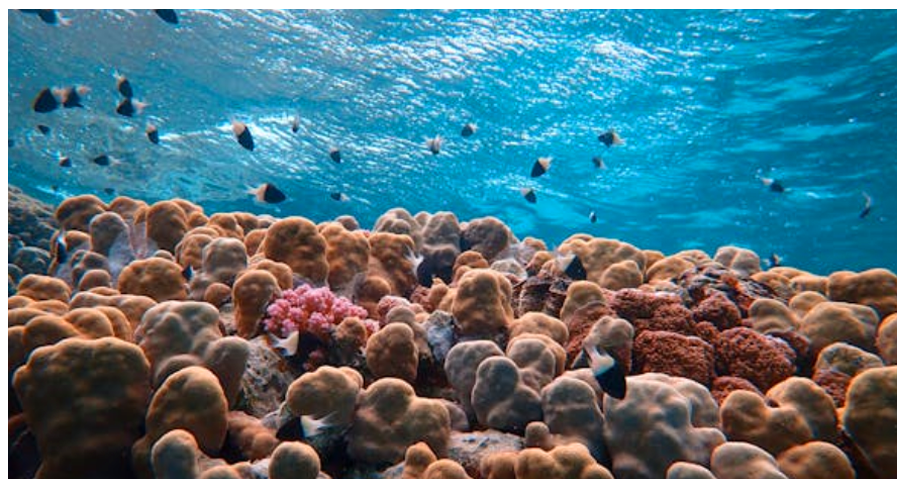
Nursery Ground for 37% of Global Reef Fish: The Strategic Importance of the Coral Triangle and Its Alignment with CTI-CFF’s Regional Agenda


The Coral Triangle—encompassing Indonesia, Malaysia, Papua New Guinea, the Philippines, Solomon Islands, and Timor-Leste—plays a defining role in sustaining global marine biodiversity. Assessments from the World Resources Institute (WRI), UNEP-WCMC, NOAA, and various peer-reviewed studies consistently demonstrate that this region serves as a critical nursery ground for approximately 37 percent of the world’s coral reef fish species.

This figure underscores the Coral Triangle’s unparalleled ecological significance. Nursery habitats such as mangrove forests, seagrass meadows, shallow coral reefs, and sheltered lagoons provide essential spaces for the early life stages of reef-associated species, supporting survival, growth, and successful recruitment into adult populations. These ecological functions directly reinforce the mission of the Coral Triangle Initiative on Coral Reefs, Fisheries, and Food Security (CTI-CFF), which works to secure sustainable fisheries, food security, and long-term ecosystem resilience for more than 120 million people who depend on these marine resources.

The Coral Triangle as a Global Nursery Ground

The Coral Triangle’s value as a nursery ground lies in the deep ecological connectivity between its coastal habitats. Juvenile reef fish depend on the seamless linkages between mangroves, seagrass systems, nearshore reefs, and lagoonal environments, moving between these habitats as they develop. Because the region hosts some of the world’s most extensive, intact, and diverse combinations of these ecosystems, it supports exceptionally high juvenile survival and recruitment rates.

The region is also home to more than 2,000 reef fish species, including numerous endemic groups and species of high commercial value. Many of these species rely on Coral Triangle habitats during their early life stages, contributing to the estimated 37 percent of global reef fish that originate from or depend on this region. High primary productivity, driven by nutrient-rich currents and warm tropical waters, further strengthens the capacity of these habitats to support abundant juvenile fish populations.

Oceanographic features—especially the Indonesian Throughflow—enable long-distance larval dispersal and facilitate genetic exchange among fish populations across the region and the broader Indo-Pacific. These conditions make the Coral Triangle not only a regional ecological engine, but also a globally influential source of reef fish diversity and resilience.

Global Importance of Nursery Habitats in the Coral Triangle

Nursery habitats in the Coral Triangle play a direct role in sustaining local, national, and regional fisheries. Juvenile fish originating from these ecosystems contribute to artisanal and commercial fisheries across Southeast Asia and the Western Pacific, supporting food supplies and national economies. Millions of coastal households rely on reef fish as a primary source of protein, and the productivity of nursery grounds strongly influences fish biomass, species availability, and the long-term stability of fisheries.

Economically, the fisheries and reef-based industries within Coral Triangle countries generate billions of dollars annually. The health of nursery ecosystems is closely linked to the sustainability of these sectors and to the ecological balance of coral reef systems themselves. Reef fish populations help regulate algal cover, maintain reef structure, and support trophic processes that underpin ecological resilience. Without healthy nursery habitats, reef ecosystems and fisheries productivity would decline significantly.

Threats to Nursery Habitats in the Region

Despite their global importance, nursery habitats in the Coral Triangle face mounting pressures. Mangrove loss, seagrass degradation, destructive fishing practices, sedimentation from watershed runoff, unplanned coastal development, pollution, and climate-driven habitat shifts all pose significant threats. These pressures compromise the survival and development of juvenile fish and weaken the region’s capacity to sustain productive fisheries and resilient ecosystems over time.

Relevance to CTI-CFF’s Regional Plan of Action (RPOA 2.0)

The CTI-CFF’s Regional Plan of Action (RPOA 2.0) explicitly recognizes the importance of nursery grounds within its ecosystem-based approach to marine governance. The alignment can be seen across multiple goals and targets:

Goal A – Healthy Ecosystems and Sustainable Marine Resources

A1: Coral Reefs, Mangroves, and Seagrass
Nursery habitats form the core of this objective. The RPOA 2.0 promotes the expansion of Marine Protected Areas (MPAs), enhancement of the Coral Triangle MPA System (CTMPAS), effective management of critical ecosystems, and strengthened conservation of mangrove and seagrass habitats. Because juvenile fish rely on these habitats for development, their protection is fundamental to achieving Goal A.

A2: Conservation of Threatened Species
Many reef-associated species of ecological and commercial importance depend on nursery habitats during their early life stages. RPOA 2.0 calls for improved habitat protection, reduced over-exploitation, and enhanced monitoring of threatened species, all of which directly benefit from safeguarding nursery ecosystems.

Ecosystem Approach to Fisheries Management (EAFM)

EAFM, a cornerstone of CTI-CFF’s regional work, emphasizes sustainable harvesting, protection of key habitats, reduction of bycatch, and science-based fisheries governance. Effective nursery habitat protection is essential to achieving stock replenishment and recruitment targets—and therefore indispensable to the successful implementation of EAFM across Member Parties.

Goal B – Strengthening Coastal Community Resilience

Healthy nursery ecosystems support stable livelihoods, enable community-based fisheries management, and create opportunities for local economic development. By securing the ecological foundations of fisheries, nursery habitat protection reduces community vulnerability and strengthens long-term food security, aligning with the broader aims of coastal resilience under Goal B.

Goal C – Regional Governance and Coordination

CTI-CFF advances nursery habitat protection through coordinated regional action, shared learning platforms such as the CT Atlas, monitoring and evaluation systems including IPTT and baseline indicators, and harmonized policies developed through Technical Working Groups (TWGs) and National Coordinating Committees (NCCs). Data on nursery habitats, fish recruitment, and ecological trends directly inform regional decision-making processes, ensuring that conservation and fisheries management remain evidence-based and regionally consistent.

Conclusion

As the nursery ground for 37 percent of the world’s reef fish, the Coral Triangle is one of the most critical marine regions on Earth. Its mangroves, seagrass beds, and nearshore coral reefs form the ecological foundation for global biodiversity, regional fisheries productivity, and the livelihoods of millions of people.

The CTI-CFF’s RPOA 2.0 provides a robust framework for safeguarding these essential ecosystems. Through science-based, collaborative, and regionally coordinated actions, Member Parties are working to ensure that the Coral Triangle continues to serve as a global nursery for reef fish, a cornerstone of food security, and a stabilizing force for marine resilience. Protecting these habitats is not only an ecological imperative—it is an investment in the long-term prosperity and stability of the Indo-Pacific region.


References

  1. Burke, L., Reytar, K., Spalding, M., & Perry, A. (2012). Reefs at Risk Revisited. World Resources Institute (WRI).

  2. NOAA Coral Reef Conservation Program. “Reef Fish Biodiversity and Habitat Connectivity.” NOAA.

  3. UNEP-WCMC. Global Coral Reef and Reef Fish Distribution Datasets.

  4. The Nature Conservancy (TNC). “Coral Triangle Bioregional Assessments.”

  5. Allen, G. R., & Werner, T. (2002). “Coral Reef Fish Biodiversity in the Coral Triangle.”

  6. CTI-CFF. Regional Plan of Action 2.0 (2021–2030).

  7. Hughes, T. et al. (2017). “Coral Reefs in the Anthropocene.” Nature and Science related cross-referenced studies on larval dispersal & fish recruitment.

  8. FAO Fisheries & Aquaculture Department. “Ecosystem Approach to Fisheries Management (EAFM)” applied in Coral Triangle regions.
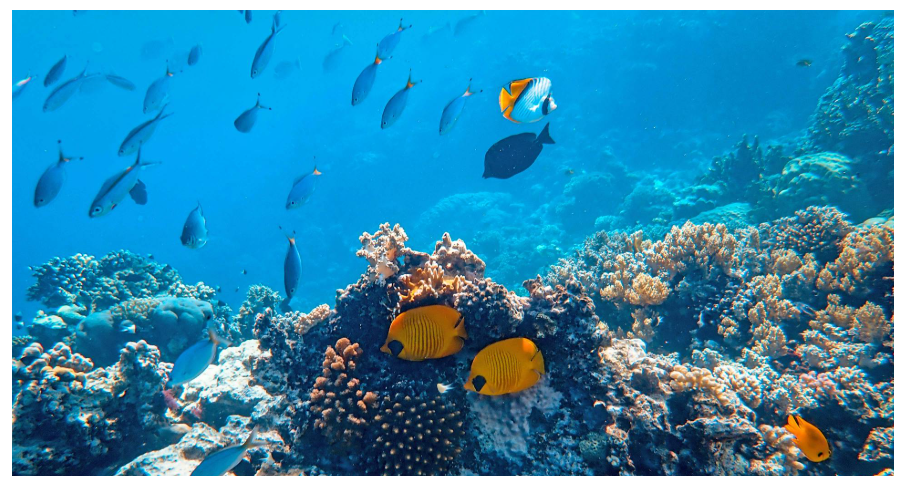
Home to 75% of the World’s Coral Species: The Global Importance of the Coral Triangle and Its Strategic Relevance to CTI-CFF


The Coral Triangle—comprising Indonesia, Malaysia, Papua New Guinea, the Philippines, Solomon Islands, and Timor-Leste—is recognized worldwide as the epicenter of marine biodiversity. The region contains an estimated 75 percent of all known reef-building coral species, reflecting not only its remarkable species richness but also its extraordinary evolutionary significance. Scientific assessments from NOAA, The Nature Conservancy (TNC), the World Wildlife Fund (WWF), and numerous peer-reviewed studies consistently affirm that the Coral Triangle hosts more than 600 species of scleractinian corals. This rich diversity supports intricate ecological networks that sustain fisheries, regional economies, and coastal communities.

As the intergovernmental body mandated to coordinate regional marine governance, the Coral Triangle Initiative on Coral Reefs, Fisheries and Food Security (CTI-CFF) plays a pivotal role in ensuring that these ecosystems remain resilient and sustainably managed. Through the implementation of the Regional Plan of Action 2.0 (2021–2030), CTI-CFF provides a unified platform for regional collaboration grounded in science, policy alignment, and shared responsibility.


Ecological Basis for the Coral Triangle’s Exceptional Coral Diversity

The Coral Triangle’s unparalleled coral richness is shaped by a combination of evolutionary, oceanographic, and environmental factors. Research shows that the region served as a long-term evolutionary refuge, where coral lineages survived and diversified over millions of years. This geological continuity allowed many genera to persist through climatic events that diminished coral populations in other parts of the world.

The region’s strategic location at the convergence of major current systems, particularly the Indonesian Throughflow, further enhances coral diversity. These warm, nutrient-rich waters promote larval dispersal, maintain high recruitment rates, and sustain genetic connectivity across thousands of kilometers. Together with this, the Coral Triangle’s diverse habitats—ranging from volcanic coastlines and deep basins to fringing reefs, atolls, and narrow straits—create numerous ecological niches that support varied coral morphologies and adaptive traits. Long-term climatic stability, especially in sea surface temperatures, has also contributed significantly to the persistence and diversification of coral species throughout the region.


Global Significance of Coral Biodiversity in the Coral Triangle

The Coral Triangle holds immense biological, social, and economic value. Its reefs support more than 600 coral species, over 2,000 species of reef fish, and six of the world’s seven marine turtle species, making it a globally critical center for marine biodiversity. These ecosystems underpin food security and livelihoods for more than 120 million people in the six member countries. Coral reefs provide essential protein sources through artisanal and commercial fisheries, support coastal tourism industries, and contribute substantially to national and regional blue economy growth.

Beyond their economic value, coral reefs serve as vital natural infrastructure. They reduce shoreline erosion, dissipate wave energy, and buffer coastal communities against storms and sea-level rise. These protective functions are increasingly important as climate impacts intensify, emphasizing the irreplaceable role of healthy coral ecosystems in regional climate resilience.


Key Threats to Coral Diversity in the Coral Triangle

Despite its importance, the Coral Triangle faces mounting environmental pressures. Climate-induced bleaching events have grown more frequent and severe, threatening the viability of many coral species. Habitat degradation—driven by destructive fishing methods, illegal practices, coastal development, pollution, and declining water quality—continues to erode reef health. Marine debris, land-based pollution, and unsustainable wildlife trade further compound these ecological stresses. These challenges, identified as priority concerns under CTI-CFF’s RPOA 2.0, highlight the urgency of coordinated regional action.


CTI-CFF’s Role in Strengthening Regional Coral Governance

Coral conservation is embedded at the core of CTI-CFF’s mandate. The RPOA 2.0 outlines key areas of focus that guide regional action:

Goal A: Healthy Ecosystems and Sustainable Marine Resources

  • Protection of coral reefs, mangroves, and seagrass ecosystems

  • Strengthening and expanding the Coral Triangle Marine Protected Area System (CTMPAS)

  • Integrating coral diversity indicators into monitoring frameworks

Goal A also includes conservation of threatened marine species

which supports coral-associated biodiversity through improved habitat protection, monitoring and enforcement, reduction of bycatch, and efforts to combat illegal wildlife trade.

Climate resilience strategies

including ecosystem-based adaptation, vulnerability assessments, and the integration of climate resilience into coastal planning—help member countries address coral bleaching and other climate-driven impacts.

Goal B: Strengthening Coastal Community Resilience

focuses on sustainable fisheries management, community-based approaches, and livelihood diversification. These interventions help reduce pressure on coral ecosystems while improving the well-being of local communities.

Goal C: Effective Governance and Regional Cooperation reinforces collective action through harmonized policies, capacity development, regional data-sharing mechanisms such as the CT Atlas, and science-based decision-making. This governance framework ensures that coral conservation remains central in national and regional planning.


Conclusion

With 75 percent of the world’s coral species, the Coral Triangle stands as the most important marine biodiversity region on Earth. Its ecological richness supports global fisheries, regional food security, climate resilience, and blue economy development. As environmental threats intensify, the role of CTI-CFF becomes increasingly crucial in facilitating coordinated, science-based, and regionally harmonized action.

Through the RPOA 2.0, member countries reaffirm their commitment to safeguarding this globally significant region. Protecting the Coral Triangle means protecting the very foundation of marine biodiversity and ensuring that its benefits continue to sustain future generations.


References
  1. Veron, J.E.N. (2009). Corals of the World and subsequent assessments of global coral diversity.

  2. NOAA Ocean Explorer. “Coral Triangle Biodiversity Overview.” National Oceanic and Atmospheric Administration.

  3. NOAA Coral Reef Conservation Program. “The Coral Triangle: A Global Center of Marine Biodiversity.”

  4. The Nature Conservancy (TNC). “The Coral Triangle Initiative.”

  5. World Wildlife Fund (WWF). “Coral Triangle Program: Biodiversity and Conservation.”

  6. Allen, G. & Werner, T. (2002). “Coral Reef Fish Diversity in the Coral Triangle.”

  7. CTI-CFF (2021–2030). Regional Plan of Action 2.0 (RPOA 2.0).

  8. Burke, L., Reytar, K., Spalding, M., & Perry, A. (2012). Reefs at Risk Revisited. World Resources Institute.

  9. UNEP World Conservation Monitoring Centre (UNEP-WCMC). Global coral reef distribution datasets.


The Coral Triangle encompasses 647 million hectares of land and sea located within the territories of Indonesia, Malaysia, Philippines, Papua New Guinea, Solomon Islands and Timor-Leste. The Coral Triangle is a geographical term that refers to a roughly triangular shape of marine waters between the Pacific and Indian oceans. For more details, see the CTI-CFF Regional Map.


The Coral Triangle is unique and important because it is home to the highest concentration of marine species on the planet. The Coral Triangle, often called "the Nursery of the seas", is home to 600 corals or 76% of the world's known coral species. It contains the highest reef fish diversity with 2,500 or 37% of the world's reef fish species. With a population of 365 million, and sustaining more than 130 million people living in coastal communities who rely directly on the marine ecosystems for their livelihoods and food, the marine habitats of the Coral Triangle also contribute an estimated US$2.3 billion each year towards the economies of the region.


Scientific studies have shown that 90% of the Coral Triangle's rich and unique resources are threatened by over-fishing, unsustainable fishing practices, land-based sources of pollution and climate change. If these threats continue, the Coral Triangle's reef systems will be decimated together with the fish and marine organisms that it supports and seriously undermine the world's marine biodiversity pool and the region's food security situation. These threats will also directly impact the livelihoods and food security of the 364 million people who live within the Coral Triangle's.


The CTI-CFF member countries implement activities specified under the CTI-CFF RPOA and corresponding CTI National Plans of Action. Every year, the CTI-CFF Senior Officials also gather to agree on a roadmap of priority regional activities that will be implemented in the coming year. These activities can be viewed at the CTI-CFF website.


The CTI-CFF operates through a core decision-making and implementing bodies, including the CTI-CFF Council of Ministers, the CTI-CFF Committee of Senior Officials, and the CTI-CFF National Coordinating Committees, all of which are supported by the CTI-CFF Regional Secretariat.

The CTI-CFF Council of Ministers (CTICOM) is the highest formal decision-making body of the initiative that meets regularly and has the power to adopt and approve CTI-CFF resolutions at Ministerial Meetings. Each Minister heads the primary agency tasked to implement the CTI RPOA in their respective countries. The Chairmanship of the CTICOM rotates among the six countries and has a fixed term.

The CTI-CFF Committee of Senior Officials is composed of designated senior government officers from the six Coral Triangle countries who are tasked to oversee and decide on the technical decisions of the CTI-CFF as well as provide direction to the Regional Secretariat. The Senior Officials meet annually or as needed to ensure that the business of the CTI-CFF is carried out efficiently.

The CTI-CFF Regional Secretariat is the primary body that coordinates the implementation of the CTI Regional Plan of Action. The Regional Secretariat coordinates, and supports official meetings and events being implemented under the CTI-CFF RPOA road map. These include the annual high-level CTI-CFF Senior Officials Meeting and Ministerial Meetings and the periodic meetings and workshops organized by the technical working groups. The Regional Secretariat also provides technical and coordination support to the NCCs on emerging opportunities and priorities related to reaching the goals and targets of the CTICFF Regional and National Plans of Action. In addition, the Regional Secretariat serves as the primary communication platform for the CTI-CFF.

The CTI National Coordinating Committees (NCC) are the national interagency committees responsible for guiding and ensuring implementation of the CTI Regional and National Plans of Action in their respective countries. They are composed of officials from designated government agencies, representatives of NGOs and academic institutions that meet regularly and decide on the priority CTI-CFF activities. CTI NCC members also represent their countries in CTI-CFF Technical Working Groups and at regional CTI meetings. The CTI NCCs are based in government agencies, work with various development partners who are implementing CTI-CFF activities at the national and local levels, and also conduct outreach and communications activities.

The CTI-CFF Technical Working Groups are composed of focal points nominated by each of the CTI NCCs as well as technical experts supported by development partners and donor organizations. Each Technical Working Group is headed by one or two countries. The groups provide technical inputs and recommendations to Senior Officials Meetings, National Coordinating Committees and the Regional Secretariat and advance implementation towards the goals of the CTI-CFF Regional Plan of Action. As a part of their ongoing work, the groups meet periodically and report on progress every year at the Senior Officials Meeting.


There are an estimated 120 million people living in coastal communities who are directly dependent on the Coral Triangle's resources for their food and livelihoods and are considered the most direct beneficiaries of CTI-CFF's coastal and marine resource management programs. There are many constituencies that can be targeted at the local level and development partners and international NGOs have directly engaged and worked with coastal communities across the Coral Triangle through their various community-based programs.

The CTI-CFF also engages local government leaders through the CTI Local Government Network, composed of roughly 100 mayors, premiers, and governors in the Coral Triangle countries, and build on various CT6 initiatives.

The CTI-CFF Regional Secretariat, NCCs and Partners are working to expand the participation of local government leaders in CTI-CFF activities, including through a CTI Local Governance Network. The network aims to improve the capacity of local government leaders in addressing various coastal and marine resource sustainability issues in their localities and to recognize their critical role in achieving the goals of the CTI-CFF.


The CTI-CFF partners listed here are development and non-government organizations who support the CTI-CFF Regional Secretariat and the CTI National Coordinating Committees in achieving the goals specified by the CTI Regional Plan of Action. The partners support the CTI-CFF by providing technical and scientific expertise; funding for priority conservation and sustainability projects and activities at the regional, national and community level; preparation of reports and studies; and communications support to increase public awareness about the Coral Triangle and the CTI-CFF.


The CTI-CFF has engaged the private sector through an annual CTI Regional Business Forum. The forum engages business and industry leaders in developing innovative solutions that are profitable and sustainable for the Coral Triangle region and promote new partnerships with the private sector, CTI member countries, NGOs, and international institutions to foster shared goals for sustainable marine resources. Apart from the forum, Development Partners and NGOs working to support the CTI-CFF have developed partnerships with businesses to support their programs and projects at the site level.


The CTI-CFF is open to collaborations with individuals and organizations. Organizations and individuals located in each of the Coral Triangle countries can contact their respective CTI National Coordinating Committee focal points here. Those who are interested in collaborating with the CTI-CFF at the regional level may contact the CTI-CFF Regional Secretariat here.


For more inquiries about the CTI-CFF, contact the CTI-CFF Regional Secretariat, Coral Triangle Initiative on Coral Reefs, Fisheries, and Food Security Secretariat Building, Jl. A.A. Maramis Kayuwatu, Kairagi II, Manado, North Sulawesi 95254, Indonesia, Phone +62 (431) 7241927, 7242026 and 7241923 (direct) Email: regional.secretariat@cticff.org


  • Open
  • Date: 17 Oct 2025

  • admin
  • 15 Oct 2025

CTI-CFF MEWG 2025 Banner

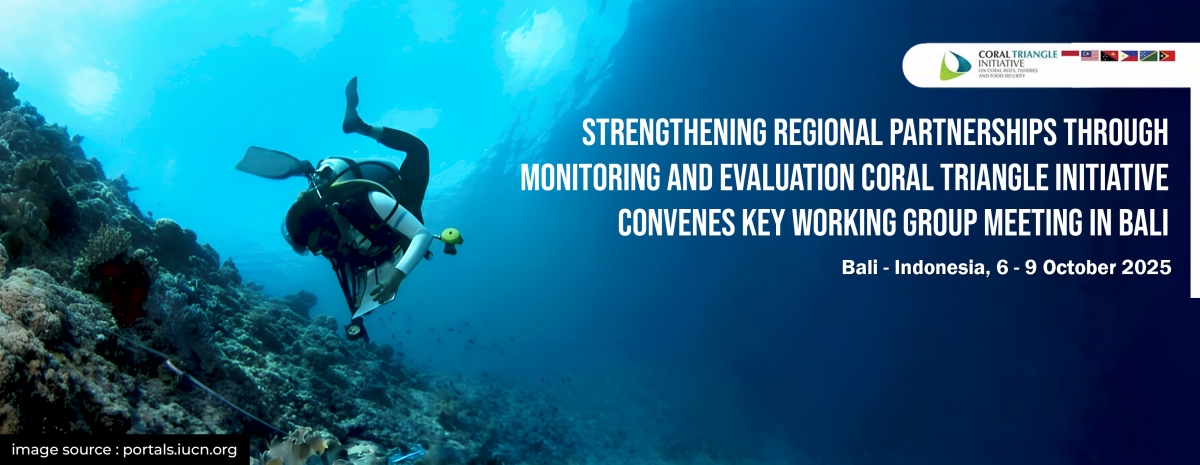
Bali, Indonesia – The Coral Triangle Initiative on Coral Reefs, Fisheries, and Food Security (CTI-CFF) Regional Secretariat hosted the 15th Monitoring and Evaluation Working Group (MEWG) Regional Exchange and Working Group Meeting from October 6–9, 2025, at the Prime Plaza Hotel, Bali, Indonesia.

The Coral Triangle Initiative on Coral Reefs, Fisheries, and Food Security (CTI-CFF) Capacity Building Roadmap aims to enhance competencies for safeguarding marine ecosystems in the Coral Triangle the world’s epicentre of marine biodiversity covering Indonesia, Malaysia, Papua New Guinea, Philippines, Solomon Islands, and Timor-Leste. Grounded in the CTI-CFF Regional Plan of Action (RPOA), this initiative aligns regional efforts with global conservation objectives, including the global goal to protect 30% of the ocean by 2030.

reads

Document Title Link or Document
National Plan of Action: Papua New Guinea View Document
National Plan of Action: Malaysia View Document
National Plan of Action: Philippines View Document
National Plan of Action: Timor-Leste View Document
National Plan of Action: Solomon Islands View Document
National Plan of Action: Indonesia View Document
#th Date Location Documents
SOM-208 - 11 December 2025Bali, Indonesia
SOM-192 - 6 December 2024Dili, Timor-Leste
SOM-183 - 7 November 2023Virtual Meeting
SOM-1722 - 25 November 2022Virtual Meeting
SOM-1613 - 15 December 2021Virtual Meeting
SOM-1507 - 08 November 2019Honiara, Solomon Islands
SOM-1412 - 13 December 2018Manila, Philippines
SOM-1327 - 30 November 2017Makati, Philippines
SOM-121 - 2 November 2016Port Moresby, Papua New Guinea
SOM-112 - 3 December 2015Manado, Indonesia
SOM-926 - 27 November 2014Manila, Philippines
SOM-822 - 24 November 2012Kuala Lumpur, Malaysia
SOM-725 - 27 October 2011Jakarta, Indonesia
SOM-610 - 12 November 2010Manado, Indonesia
SOM-517 - 18 November 2009Honiara, Solomon Islands
SOM-420 - 22 October 2009Kota Kinabalu, Sabah, Malaysia
SOM-307 - 12 March 2009Port Moresby, Papua New Guinea
SOM-223 October 2008Manila, Philippines
SOM-106 December 2007Nusa Dua, Bali, Indonesia
#th Date Location Documents
MM-2 19 November 2009 Honiara, Solomon Islands
MM-3 28 October 2011 Jakarta, Indonesia
MM-5 14-15 May 2014 Manado, Indonesia
MM-6 3 November 2016 Port Moresby, Papua New Guinea
MM-7 14 December 2018 Makati City, Philippines
MM-8 29 November 2022 Virtual Meeting
No. Documents Name Documents Link
1 CTI-CFF - Diplomatic Protocol
2 CTI-CFF - Financial Policies and Procedures Manual
3 CTI-CFF - Financial Regulations
4 CTI-CFF - Staff Regulations
5 (Old) CTI-CFF Financial Rules and Regulation_2016
6 (Old) CTI-CFF Staff Rules and Regulation_2016